Arita is the birthplace of Japanese Porcelain. It’s origin
dates back to the beginning of the 17
th century when deposits of
white porcelain ore were found in Arita’s Mt. Izumiyama by Ri Sampei (Korean
name, Lee Cham-Pyung), a potter from Korea. Ri Sampei is still honored in Arita
to this day. He was taken prisoner by the Japanese during a military excursion in
Korea and lived the rest of his life in Arita, teaching the art of porcelain to
Japanese craftsmen. There is a statue and a shrine to him in the town and in
Gen-Emon Kiln as well.
Besides the raw materials used to manufacture the porcelain,
the region developed advanced firing techniques which gave them an advantage
over conventional methods.
The region grew prosperous when China restricted the export
of their porcelain to European markets. The Dutch trading company East India set
up an export point located in Imari. The porcelain is often referred to as “Imari
ware.” The first Japanese porcelain exported to the European markets were
imitations of Chinese designs, colors and shapes (imitations of Ming Dynasty
works). As time passed, the Japanese craftsmen developed their own designs,
shapes and palettes. This foundation grew and to this day as certain craftsmen
(and women) are so valued, they are considered national treasures.
Gen-Emon Kiln is an existing high quality producer of
Japanese porcelain that dates back to the beginning of porcelain production in
Japan. It is located in the hills of Arita. If you visit Arita, rent a bicycle for traveling around. The area is full of
kilns and shops and although driving is easy, renting a bicycle is much more fun. Bicycles can be rented at the train
station. Although the area is hilly, getting around by bike is easy.
Gen-Emon builds on a tradition of craftsmanship. The
pottery is hand crafted, hand painted and painstakingly kilned. The kiln uses a
unique fuel in its firing process, Japanese red pine. The craftsmen work at
benches facing windows with good lighting. Each craftsman excels at certain
aspects of porcelain creation, such as molding, shaping, painting, glazing, and
decorating. It requires years of apprenticeship to attain a position at the
renowned kiln.
In February of 1981 Pope John Paul II visited Japan. During
the visit the Pope paid tribute to those who perished at Hiroshima and spoke
out against nuclear war. The Pontiff also met with Emperor Hirohito. During his
visit, Gen-emon kiln presented the Pope with a set of porcelain. There is a
letter from the Vatican thanking the kiln for their gift along with a
reproduction of the porcelain given to the Pontiff.
Be prepared for a price shock. The porcelain is expensive,
especially the pieces crafted by the best artisans. There are affordable pieces
and just experiencing the kiln and walking around the studios, kilns and
grounds is an experience worth having. There are local shops offering machine
crafted porcelain at much more reasonable prices. Arita is an amazing place
and well worth a visit.
Gen-Emon Kiln
2726, Maruohei, Arita-cho
Nishimatsuura-gun, Saga-ken
844-0023, JAPAN
http://www.gen-emon.co.jp/english/
 |
| Enrance | |
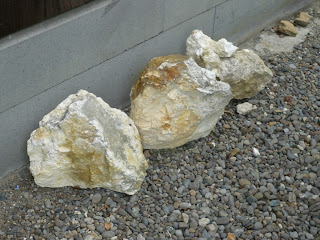 |
| Raw materials quarried locally |
 |
| Historic pieces |
 |
| Workshop |
 |
| Decorating and painting |
 |
| Glazing compound |
 |
| Japanese red pine used to fire kiln |
 |
| Kiln pots |
 |
| Working kiln |
 |
| Inside kiln |
 |
| Garden outside |
 |
| Porcelain presented to Pope John Paul II |
 |
| Papal visit in 1981 to Japan |
 |
| Outside wall embedded with shards |
 |
| Outside shop entrance |
|