Friday, May 17, 2013

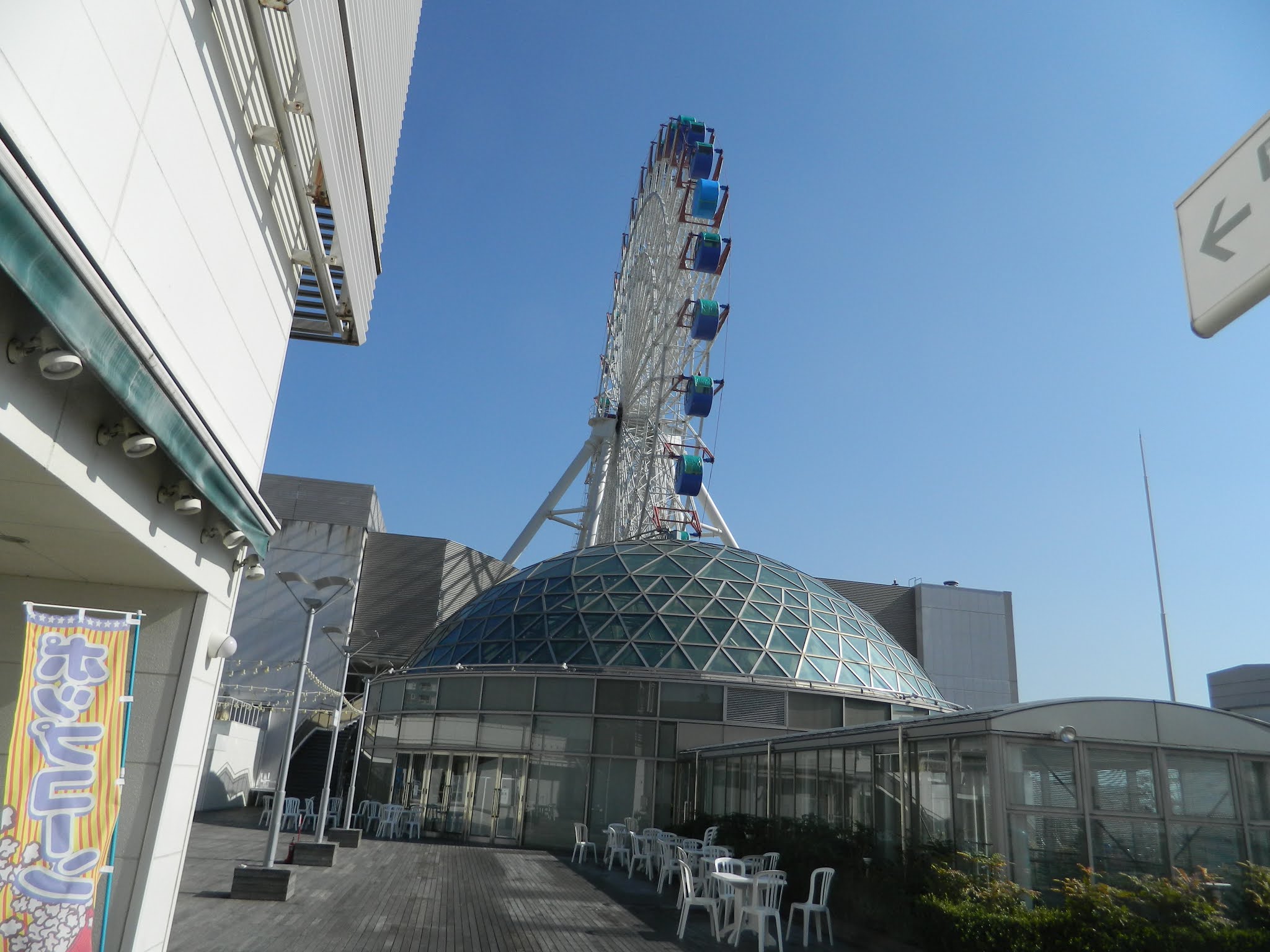
Hakata Station

Hakata station is a busy place

You do not find much rudeness on Japanese trains except for...

The occasional gai-jin who takes pictures on the train!

Tuesday, May 14, 2013

Tochoji Temple - Hakata City

It is said that the Tochoji temple was dedicated to the buddhist monk Kukai who built it in 806. In the temple cemetary Tadayuki (the second lord of the Kuroda clan in the Edo period [1602-1654]), Mituyuki (the third lord [1628-1707]) and Harutaka (the eighth lord [1754-1782]) are buried. Their graves are where they were originally buried. They have been designated as a historical site of the cultural heritage of the feudal clan of Fukuoka.


Friday, May 10, 2013

Hakata Machiya Folk Museum

Hakata city is one of the oldest cities in Japan. It has served as the gateway to Korea and China in ancient and modern times. During the medieval period, Hakata city was the center of commerce and trade with Korea and China as well as serving as a port city. During the 17th century, the samurai general, Kuroda Nagamasa established a castle on the west side of the river and on the opposite bank; Hakata continued to thrive in trade and commerce. Hakata has a rich history and was subject to an invasion by the Mongolian army at one time.

Walking around the city today, it is hard to see its rich past until you visit the temples and shrines that are still in place and centers of prayer, worship and celebration. One place to visit where the past is still kept alive is the Hakata Machiya Folk Museum. The city holds onto its unique identity and it is on display inside the museum.

The museum has magnificent displays depicting the 2 major festivals held in Hakata city during the year. The first is the Matsubayashi (New Year’s Festival). This festival consists of four groups belonging to different nagare (districts) of Hakata. In the parade, three nagare take the role of the three gods of fortune: Fukunin/Fukurokuju (god of longevity), Ebisu (god of business) and Daikoku (god of wealth). While Higashi-nagare and Nishi-nagare take turns at the role of “Chigo” (messengers of god) every other year.

At the head of the parade, children (Chigo) play drums while singing the special chant, and carry a beautifully decorated Kasahoko float. The children are followed by three gods of fortune on horseback, a group with a palanquin-like portable shrine carrying Chigo. The procession enters the site of Fukuoka Castle, and the children perform a dance in front of the lord and proceed to march through the town of Hakata. Originally, the parade was held on January 15 (the lunar new year), but today it is held on the 3rd and 4th of May as part of the Haktata Dontaku festival.

Hakata Gion Yamakasa is the summer festival held to repel bad fortune. The festival is celebrated from July 1st - 15th. Its rites culminate at Kushida Jinja Shrine. Famous for its one ton float-racing, it has a seven hundred and fifty year history, attracts up to a million spectators, and in 1979 was designated an Important Intangible Folk Cultural Property. The sound of the Kaki Yamakasa (portable shrine) has been selected by the Ministry of the Environment as one of the 100 Soundscapes of Japan.

The museum features artwork and craft from the Meiji and Taisho periods but there are older pictures and paintings that depict life with the Samurai. The artwork is quite beautiful. The crafts on display are created locally. Inside the museum there is a living display of the craftsman at work. There are workshops for children and adults to participate in craft making sessions. Local to Hakata is the tiger with the moving head. The tiger is painted a bright yellow color with black markings.

Next door to the museum and part of the display is a house and textile shop from the Meiji era. The living quarters feature lacquered stairs and tatami mats. The textile shop is a working shop with craftsmen still weaving traditional Japanese designs, native to Hakata.

6-10, Reisen-machi
Hakata-ku, Fukuoka

By subway, get off at Gion station (5 minute walk)

By bus, take Nishietsu bus and get off at Gion-machi stop (5 minute walk)

Tel: 092-281-7761
Fax: 092-281-7762

Museum Website

Hakata Gion Yamakasa Video


Wednesday, May 8, 2013

Kushida-jinja, Hakata City


The shrine is widely known to the locals by the nickname of “O-kushida-san” because the god of the shrine is the tutelary deity of the residents of Hakata. According to oral tradition, it was first constructed in 757, and charming seasonal festivals that are famous throughout Japan are held at the shrine year. These include the “Hakata Dontaku Festival (with Matsubayashi musical accompaniment)” and “Hakata Gion Yamakasa Festival.”

Hakata Gion Yamakasa (博多祇園山笠?) is a Japanese festival celebrated from 1-15 July in Hakata, Fukuoka. Famous for its one ton float-racing, it has a seven hundred and fifty year history, attracts up to a million spectators, and in 1979 was designated an Important Intangible Folk Cultural Property.[1][2][3] The sound of the Kaki Yamakasa has been selected by the Ministry of the Environment as one of the 100 Soundscapes of Japan.


Thursday, May 2, 2013

Sumiyoshi Shrine – Hakata, Fukuoka


Sumiyoshi Shrine is a shrine dedicated to safe travel by sea. Officials and travelers going from Yamato to Korea and China would visit the main shrine, Sumiyoshi Taisha, in Naniwa (Osaka) as a start of their pilgrimage. The travelers would then visit other Sumiyoshi Shrines along the Seto Inland Sea until their departure from the port at Hakata. This shrine at Hakata would be the last shrine they prayed at before they left land.

In ancient times, this shrine was ranked as one the highest shrines. It was noted as one of the greatest shrines in the Chikuzen area (present day Fukuoka prefecture). The area surrounding the shrine was originally a cape at the mouth of Nakagawa River as it entered into Hakata bay.

The shrine is dedicated to the gods (kami) of Sokotsutsuo-no-kami, Nakatsutsuo-no-kami and Uwatsutsuo-no-kami. These kami are associated with safe sea faring. Legendary Empress Jingu is now enshrined here as legend tells of the oracles the Empress received from the Sumiyoshi-kami before her conquest of Korea in the 2nd century. There is no record of this conquest ever happening; it is most likely an embellishment of the history of the Empress. The three kami originated from an undersea dragon king associated with other cultures. There are minor shrines to Amaterasu and Ebisu on the shrine grounds. Amaterasu is the goddess of the sun and Ebisu is the god of fishermen.

Although the shrine is home to gods worshipped for protecting travelers since ancient times, it became known for promoting Waka poetry since the middle ages. The main hall is a designated cultural property of importance. The site is also a source for designated national treasures including a copper axe and sword.

The main hall was rebuilt in 1623 by Kuroda Nagamasa, the first lord of the Fukuoka clan. The shrines straight shaped roof of the main hall retains features of the ancient architectural style, in direct contrast to later Buddhist style halls. The shrine is home to a Noh theater with a classic stage setting which has been in use for Noh plays since it was built before World War II. The shrine is also home to a hoard of ancient documents that illustrate the history of the shrine and Hakata from the middles ages to the present day. 

3-1-51, Sumiyoshi
Hakata-ku, Fukuoka
TEL 092-291-2670
FAX 092-291-2669
Map code 13289837*12
By bus – Take Nishitetsu bus and get off at Sumiyoshi stop.